

Beyond the Spot Price: The Practical Realities of Physical Bullion vs. Rare Coins
Mike Rinkor

Beyond the Spot Price: The Practical Realities of Physical Bullion vs. Rare Coins
When investors look to allocate capital into physical precious metals, they generally fall into one of two camps: numismatists seeking historical rarity and condition premiums, or bullion buyers looking for direct commodity exposure. While certified rare silver dollars and gold coins trade on population reports, eye appeal, and historical scarcity, physical bullion operates on an entirely different set of rules.
For those focused purely on gold and silver as financial insurance, inflation hedges, or liquid storehouses of value, success comes down to practical execution. Understanding form factors, premium mechanics, divisible sizing, and exit liquidity is what separates a smooth physical metal strategy from an expensive mistake.
1. Sovereign Coins vs. Private Mint Bars
The first choice facing any bullion buyer is form factor: sovereign government-backed coins versus private refinery bars and rounds.
Sovereign Coins (American Eagles, Canadian Maples, Krugerrands): Issued by official state mints with legal tender face values. They carry slightly higher upfront premiums over spot price due to strict government manufacturing standards and anti-counterfeiting features (such as radial lines or micro-engraved privy marks). The trade-off for that higher premium is universal recognition; a 1 oz Gold American Eagle can be instantly evaluated and liquidated anywhere in the world without friction.
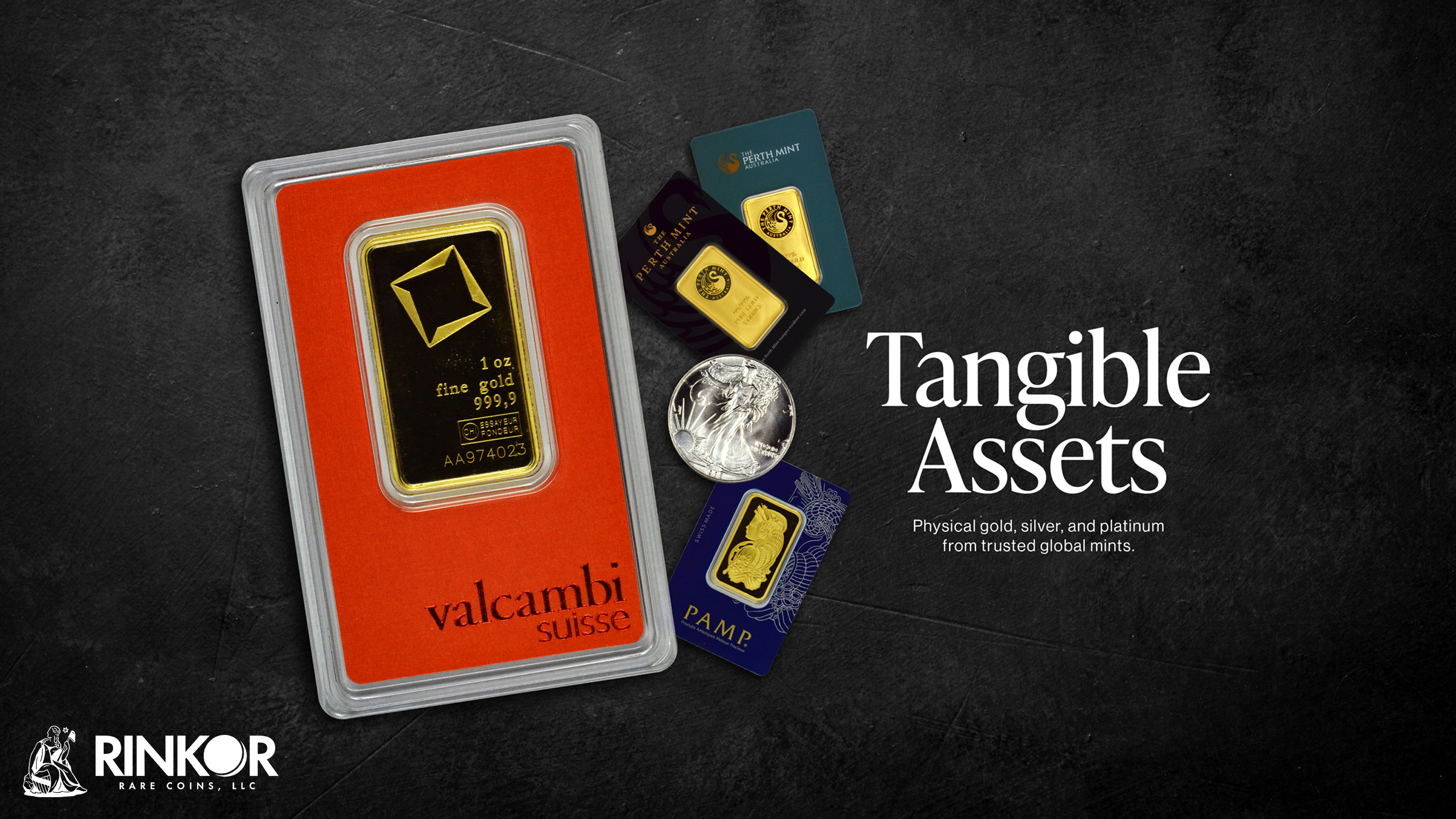
Private Mint Bars & Rounds (PAMP, Valcambi, Sunshine Minting): Produced by reputable commercial refineries, options like gold bars in various sizes and silver bars in various sizes allow you to acquire more pure weight per dollar spent. While highly liquid through established dealer networks, private bars do not carry legal tender status and rely on hallmarked assayer stamps and tamper-evident packaging for verification.
2. The Sizing Strategy: Balance, Liquidity, and Fractional Premiums
A common pitfall for new bullion buyers is over-concentrating in single, massive formats (such as 100 oz silver bars or 10 oz gold bars) simply to minimize the price per ounce.
While large bars offer the lowest manufacturing premiums, they sacrifice divisibility. If you hold a single 10 oz gold bar and need $1,500 for an immediate liquid expense, you cannot slice off a corner—you must liquidate the entire bar, creating an unintended tax event and cash deployment issue.
Conversely, purchasing exclusively fractional gold (like 1/10 oz or 1/4 oz coins) maximizes flexibility but incurs steep manufacturing premiums—often 10% to 15% above spot price. A practical physical allocation blends standard liquid foundation units (1 oz gold coins/bars and 10 oz or 1 kilo silver bars) alongside a modest percentage of smaller, highly divisible units to handle incremental liquidity needs.
3. The "Out-the-Door" Cost and Exit Mechanics
Unlike paper assets traded on digital exchanges, physical precious metals have real-world transport, security, and verification costs. When acquiring bullion, your true cost basis is the net "out-the-door" price, which includes:
- The Buy/Sell Spread: The difference between what a dealer sells a product for (Ask) and what they pay to repurchase it (Bid). Sovereign coins typically maintain tighter, more consistent spreads during periods of market volatility.
- Shipping & Insurance: Fully insured transit costs for physical delivery or vault transfers.
- Storage Considerations: Secure home storage (fireproof safes) versus professional institutional vaulting.
Numismatic Value vs. Commodity Exposure
Rare coins and physical bullion serve fundamentally different portfolio roles. A Mint State pre-1933 gold coin or a rare Morgan Dollar derives its value from fixed historical supply that can never increase regardless of spot prices. Bullion, by contrast, tracks raw metal value inch-for-inch with global commodity markets.
Many sophisticated collectors maintain positions in both: utilizing physical gold bullion as a liquid, low-friction foundation for physical wealth preservation, and rare coins for growth, market insulation, and the joy of historical ownership.
Whether you are looking to build a structured bullion position, evaluate physical gold and silver bars, or discuss current market spreads, our team offers transparent, real-time pricing and straight talk on physical metals execution.
Rinkor Rare Coins, LLC
2600 Mendocino Avenue, Suite C
Santa Rosa, CA 95403
707-546-2575